Depreciation is the single biggest cost of owning a vehicle in Canada, and most people do not realize how much it affects them until it is too late. You might negotiate $1,000 off a car, but lose $5,000 in value in the first year just by choosing the wrong model. If you understand how depreciation works, you can make smarter buying decisions and avoid losing money unnecessarily.
What Depreciation Actually Means
Depreciation is simply how much value your vehicle loses over time. In Canada, most vehicles drop between 15% and 25% in the first year alone. By year three, many vehicles have lost 40% to 50% of their original value.
For example, a $40,000 SUV purchased new could realistically be worth around $26,000 to $28,000 after three years. That is a loss of $12,000 or more, even if the vehicle is in perfect condition.
Which Vehicles Depreciate the Fastest
Not all vehicles lose value equally. Luxury vehicles like BMW, Mercedes-Benz, and Audi often depreciate faster because of higher maintenance costs and more expensive repairs. Some can lose 50% of their value within three years.
On the other hand, models like the Toyota Tacoma, Toyota 4Runner, and Honda Civic tend to hold value extremely well. A 2022 Toyota Tacoma can still retain 65% to 70% of its original value after three years in Canada.
- Fast depreciation: luxury sedans, electric vehicles with older battery tech
- Slow depreciation: trucks, compact cars, Toyota and Honda models
Why Depreciation Matters When You Buy
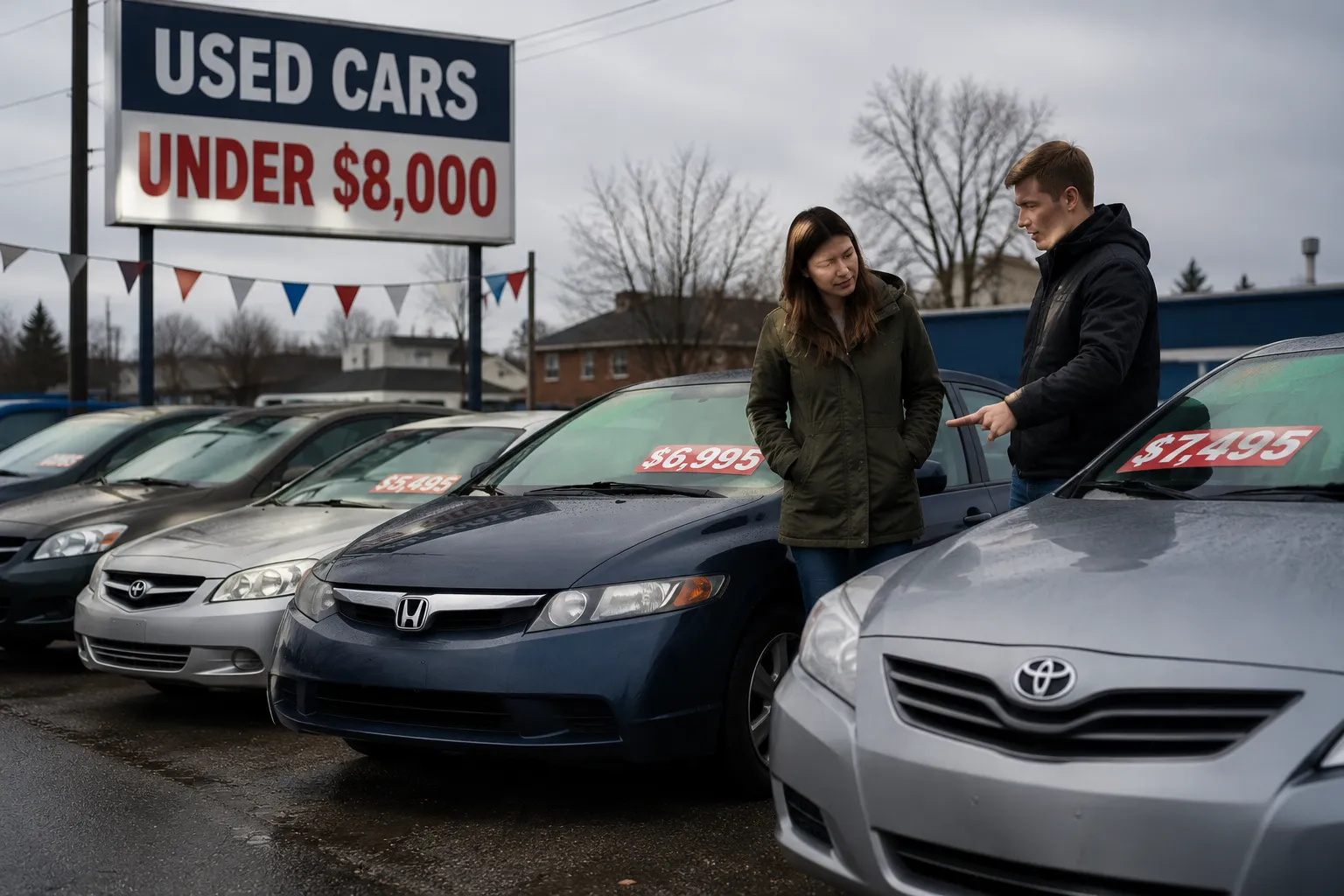
If you buy new, you absorb the steepest drop in value. Buying a vehicle that is 2–3 years old lets someone else take that initial hit. That is why many buyers choose used vehicles.
For example, buying a 3-year-old SUV at $27,000 instead of new at $40,000 means you skip the biggest depreciation curve. That is money you keep instead of losing.
If you want to see vehicles that already went through that first drop, you can browse our used cars in Ontario.
Depreciation and Financing
Depreciation also affects your loan. If your vehicle loses value faster than you pay down the loan, you can end up upside down. That means you owe more than the vehicle is worth.
Example: You finance $30,000 and after two years the car is worth $22,000, but you still owe $26,000. That $4,000 gap becomes a problem if you want to trade or sell.
One way to manage this is choosing vehicles with strong resale value and putting money down upfront.
If you are planning financing, you can see if you qualify in 60 seconds before shopping.
How to Minimize Depreciation Loss
You cannot eliminate depreciation, but you can control it. Choose models known for resale value, avoid overpaying, and keep mileage reasonable. Regular maintenance also protects resale value.
Colour and trim matter more than most people think. Neutral colours like black, white, and grey typically sell faster than unusual colours. Mid-level trims often have the best balance of features and value retention.
If you want help choosing a vehicle that holds value well, you can speak with Paul directly.
Frequently Asked Questions
Do used cars still depreciate?
Yes, but at a slower rate. Most depreciation happens in the first 3–5 years.
Which vehicles hold value best in Canada?
Toyota and Honda models, especially trucks like Tacoma and SUVs like RAV4.
Does mileage affect depreciation?
Yes. Higher kilometres reduce resale value significantly, especially past 150,000 km.
Can I avoid depreciation completely?
No, but buying slightly used and choosing high-resale models can reduce the impact.