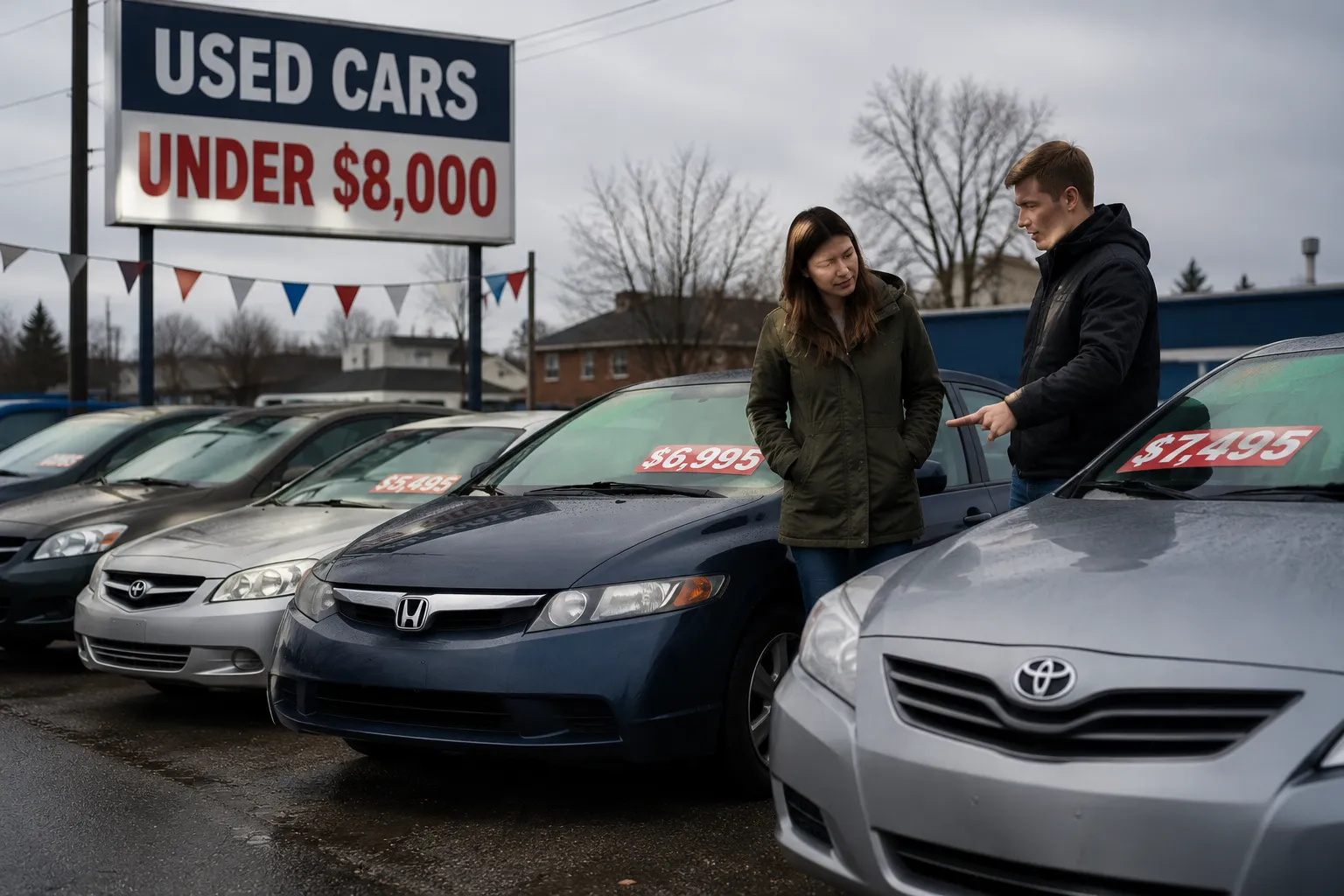
Trading in your vehicle is one of the easiest ways to move into your next car, but most people leave money on the table because they do not understand how dealerships actually calculate value. Getting top dollar for your trade is not about luck. It comes down to preparation, timing, and understanding how appraisals work in Ontario.
How Trade-In Values Are Calculated
Dealers base trade-in values on wholesale market data, auction trends, vehicle condition, and reconditioning costs. If a vehicle needs $1,500 in brakes and tires, that amount comes straight off the offer. Mileage also matters heavily. A 2018 SUV with 80,000 km will be valued significantly higher than one with 140,000 km.
Seasonality plays a role too. Trucks often bring stronger trade values in spring and summer, while AWD SUVs peak in fall and early winter in Ontario.
Why the HST Trade-In Credit Matters
One of the biggest advantages of trading in is the tax savings. In Ontario, you only pay HST on the price difference between your new purchase and your trade value.
Example: If you buy a $30,000 vehicle and trade in your car for $10,000, you only pay HST on $20,000. That saves you $1,300 in tax at 13%.
Practical tip: A slightly lower trade-in offer can still be the better deal if it reduces your HST significantly.
Steps to Increase Your Trade Value
- Clean your vehicle properly - A full interior and exterior detail can increase perceived value immediately
- Fix minor issues - Burnt-out bulbs, worn wipers, and small scratches can reduce offers
- Bring maintenance records - Proof of oil changes and servicing builds confidence
- Have both sets of keys - Missing keys can reduce value by $200–$400
Timing Your Trade-In
End of the month can sometimes improve trade offers as dealerships work toward targets. Trading in when demand is high for your vehicle type also helps. A pickup truck in April will typically get a better number than the same truck in January.
If you want a quick idea of your vehicle's value, you can get a free trade-in estimate.
Trade-In vs Private Sale
Selling privately might get you $2,000–$4,000 more, but it comes with risk, time, and paperwork. Trading in is faster and safer, and when you include HST savings, the gap is often smaller than expected.
If you want to compare trade value versus replacement options, you can browse our used cars in Ontario or send us a quick message.
Frequently Asked Questions
Does Ontario's HST trade-in tax credit apply to private sales?
No, the HST credit only applies when trading in at a dealership.
Should I repair my car before trading it in?
Minor repairs can help, but major repairs often cost more than the added value.
How long is a trade-in appraisal valid?
Typically 5 to 7 days, depending on market conditions.
Do dealerships check for liens on trade-ins?
Yes, outstanding loans are verified and paid off as part of the process.