Negotiating a used car price in Canada is not about arguing — it is about being prepared. Buyers who walk in with real numbers, financing lined up, and a clear budget usually get better outcomes than those trying to "win" a negotiation. The goal is not to get the lowest possible number — it is to get a fair deal on the right vehicle.
Know the Market Before You Walk In
Start with research. Canadian Black Book values, AutoTrader listings, and local inventory all help you understand what similar vehicles are actually selling for. Focus on year, trim, kilometres, and condition.
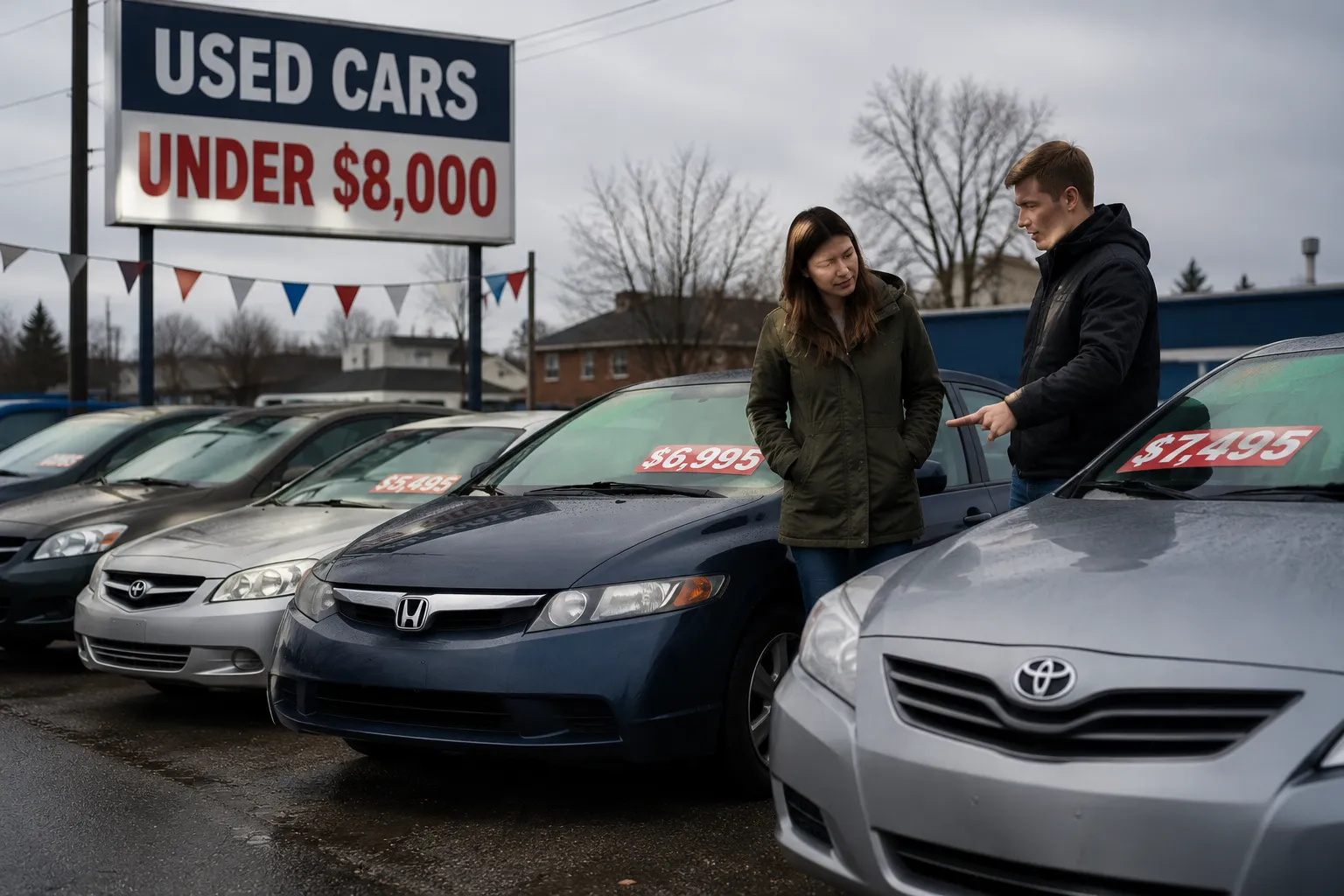
If three similar vehicles are listed around $22,500 and one is priced at $19,900, that lower price should raise questions. It may be a great deal — or it may reflect accident history, high kilometres, or condition issues.
Secure Financing First
One of the biggest mistakes buyers make is negotiating based on monthly payment. Dealers can adjust term length, interest rate, and structure to change that number.
If you get pre-approved first, you can focus on total price instead of payment. That puts you in control. If you need help getting started, you can apply for financing before visiting.
Practical tip: Always ask for the full breakdown — vehicle price, HST, fees, and licensing — not just the monthly payment.
Separate the Trade-In Conversation
Keep your trade-in separate from the purchase negotiation. Agree on the price of the vehicle first, then discuss your trade. Mixing both together makes it harder to see the real numbers.
Dealers may adjust one side to compensate for the other. Separating them keeps everything transparent.
Know Your Walk-Away Number
Before stepping into a dealership, decide your maximum out-the-door price. This includes vehicle cost, HST, fees, and licensing.
If the deal goes beyond that number, you walk away. This is where many buyers lose control — they stretch because they like the car. Staying disciplined protects your budget.
Dealership vs Private Seller Strategy
At a dealership, pricing is often already competitive due to market transparency and OMVIC regulations. You may not see huge discounts, but you gain protection, warranty options, and financing.
Private sellers may have more flexibility, but you also take on more risk. There is no OMVIC protection, and verifying condition, history, and liens becomes your responsibility.
Frequently Asked Questions
Can you negotiate used car prices in Canada?
Yes, but modern pricing is often already close to market value. The opportunity is in finding the right vehicle, not forcing a large discount.
Should I mention my budget?
No. Focus on the vehicle price first, not what you can afford monthly.
Do dealers have to disclose accidents?
Yes, under OMVIC rules, dealers must disclose known material facts such as accident history.
Is it better to negotiate online or in person?
Both work. Online can be efficient, while in-person helps you evaluate the vehicle directly.