Hyundai Tucson and Kia Sportage often sit side-by-side on dealership lots for a reason — they share the same platform, many components, and even engine options. But once you drive them back-to-back, the differences become clear. Between 2019 and 2022, Hyundai and Kia took slightly different directions in tuning, styling, and buyer appeal.
Platform Sharing — But Not the Same Drive
Both vehicles are built on a shared Hyundai-Kia architecture, but the driving feel is tuned differently. The Tucson tends to be softer and more comfort-focused. It absorbs bumps well and feels relaxed in daily driving.
The Sportage, on the other hand, leans firmer. Steering feels tighter, suspension is more responsive, and overall it has a slightly sportier personality.
Engine Options and Performance
The 2.4L naturally aspirated engine (181 hp) is the most common across both models. It is straightforward and proven, though not particularly quick.
Higher trims in the Sportage offer a 1.6L turbo engine, which delivers more power and a livelier feel. This is one area where Sportage can feel noticeably more energetic than Tucson in similar years.
Fuel Economy and Ownership Costs
Fuel economy between the two is nearly identical in gas versions, typically landing around 9–10 L/100km combined. Driving style and AWD usage can shift this slightly.
Hybrid and plug-in hybrid options began appearing with newer redesigns (2022 Tucson, 2023 Sportage), offering significantly improved efficiency, though they may fall outside some used budgets.
Interior Space and Cargo
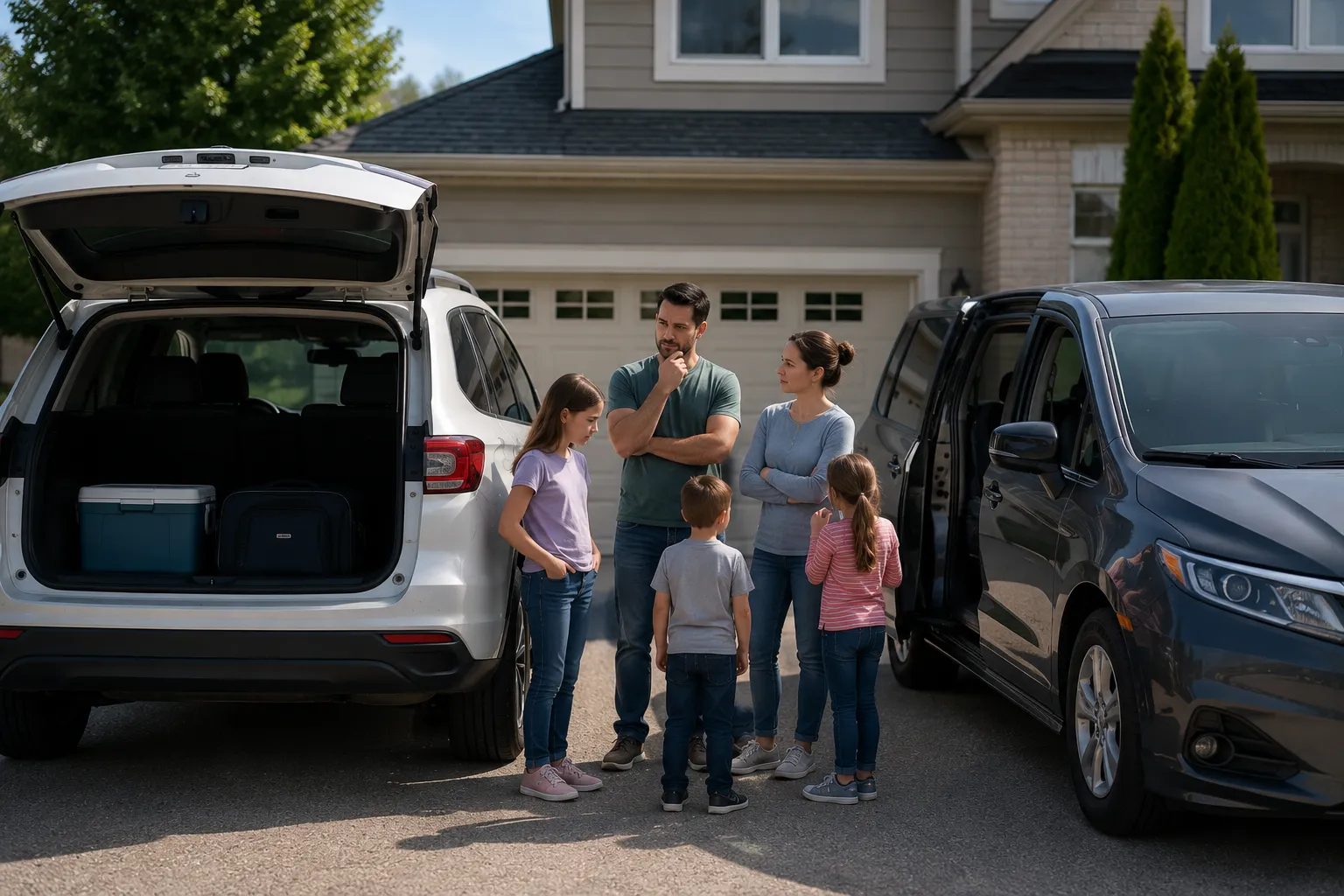
Sportage usually offers slightly more cargo space — often about 30–40 litres more behind the second row. That difference is noticeable when loading strollers, luggage, or sports equipment.
Tucson still provides strong practicality, but its layout prioritizes passenger comfort over maximum cargo volume.
Practical tip: If cargo space matters, bring real items — hockey bags, strollers, or suitcases — to test fit before deciding.
AWD System and Winter Use
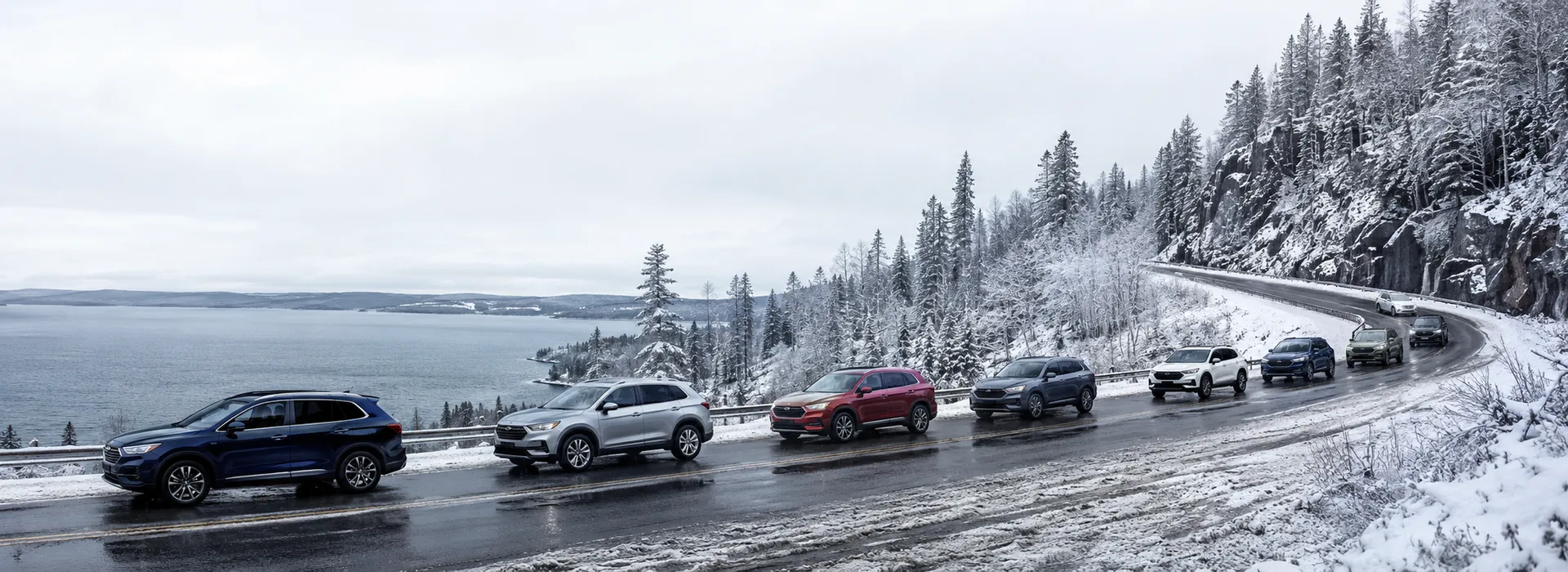
Both vehicles use Hyundai-Kia's HTRAC AWD system. It is front-biased and engages the rear wheels when needed. It works well in Ontario winter conditions, especially when paired with proper winter tires.
This is not a heavy-duty off-road system, but for snow-covered roads, driveways, and highway travel, it performs reliably.
Reliability and Recall Context
Older Hyundai-Kia 2.4L engines (Theta II) had recall issues, mainly in pre-2018 models. Most 2019–2022 vehicles fall outside the most affected range, but it is still smart to run a VIN check and confirm recall work was completed.
Pricing between Tucson and Sportage is usually very close, often within $1,000–$2,000 for similar trims and kilometres.
If you want to compare what's currently available, you can browse inventory.
Frequently Asked Questions
Which is better, Tucson or Sportage?
It depends on preference — Tucson for comfort, Sportage for a slightly sportier drive.
Do both have AWD?
Yes, both offer HTRAC AWD systems that work well in winter conditions.
Is the 2.4L engine reliable?
Generally yes for these model years, but always check recall history by VIN.
Which has more cargo space?
The Sportage typically offers slightly more cargo capacity behind the second row.